

Have you ever wondered why some injuries just won’t heal, no matter how much rest you give them? If you’ve faced ongoing pain or slow recovery, understanding the reasons behind this frustrating situation is crucial.
In this article, we’ll dive into the reasons why your injuries won’t heal and uncover how BPC-157, a powerful peptide, can aid in your recovery. By the end, you’ll gain insights into treating stubborn injuries effectively.
The Frustration of Non-Healing Injuries
When an injury lasts too long, it changes how you move and how you think. You start avoiding activities you once enjoyed. You may also lose trust in your body.
Slow recovery can come from hidden issues inside the tissue. The calendar says you should be better by now. Your symptoms say the repair work is incomplete.
Common Healing Roadblocks
Healing can stall when the body cannot deliver enough resources to the injured area. Low blood flow limits oxygen and nutrient delivery. Waste removal also slows and irritation can linger.
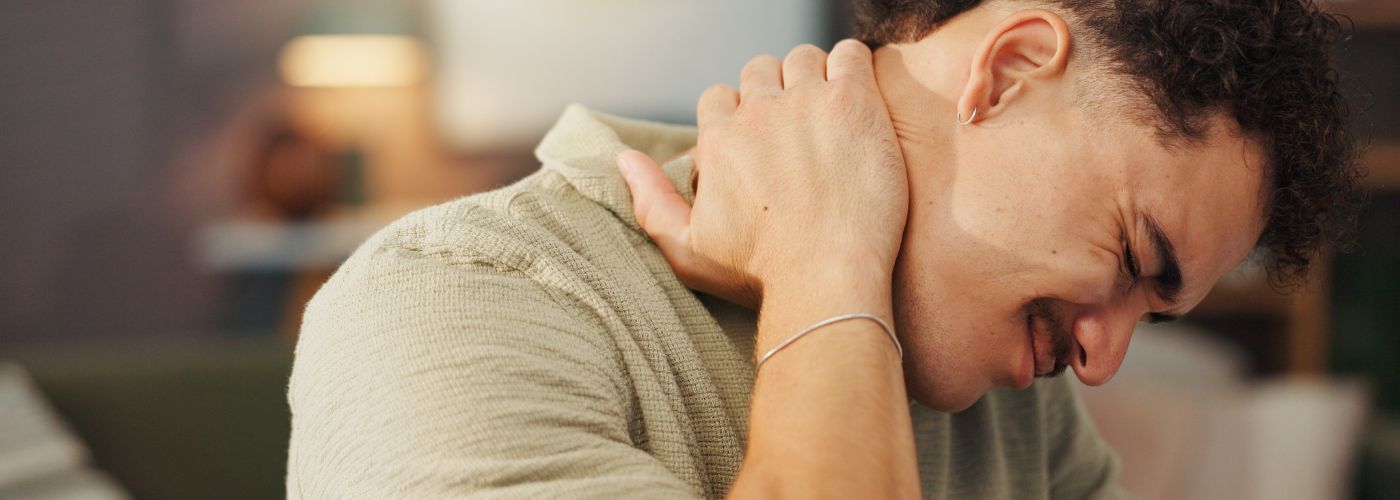
Inflammation can also stay active longer than it should. That keeps tissue in a defensive state. Repair signals may weaken and the next phase never starts.
Why Some Injuries Refuse to Heal
Some tissues heal slowly because they have fewer blood vessels from the start. Tendons and ligaments often fall into this group. They may need stronger support to rebuild well.
Repeated strain can tear new tissue before it matures. Stress and poor sleep can add more strain. Over time, pain can become a constant background signal.
What is BPC-157?
BPC-157 is a peptide linked to protective activity found in gastric tissue. It is discussed as a repair signal in peptide therapy. Many people explore it for stubborn soft tissue problems.
Supporters describe it as working beyond the gut. They suggest it can influence repair in several tissue types. This includes areas where healing tends to drag on.
BPC-157: The Body Protection Compound
The name reflects a focus on protection and recovery after tissue stress. The peptide is described as stable and active in harsh environments. That stability is often highlighted in explanations.
It is also described as having broad effects across the body. This matters when pain shifts across joints and muscles. Many chronic injuries involve more than one site.
Nature’s Healing Signal
The idea is that the body already uses signals that guide repair and balance. This concept frames BPC-157 as a support tool. It is presented as working with natural healing steps.
People often seek it after standard care feels limited. They want better healing quality, not only pain relief. The goal is a stronger and more complete recovery.
How BPC-157 Accelerates Healing
BPC-157 is described as supporting healing through several connected pathways. One pathway involves better blood vessel growth near injured tissue. Another pathway involves repair cell activity at the site.
It is also described as calming excess inflammation without stopping normal healing. That balance can matter in long-lasting tendon pain. When inflammation stays high, tissue repair can slow.
Multiple Pathways to Recovery
Recovery often improves when blood flow, signaling, and inflammation move in the right direction. A single lever may not be enough for chronic pain. Multi-path support can match the complexity of the problem.
Some approaches reduce symptoms but do not improve tissue strength. Others help movement but not biology. The proposed benefit here is a combined effect on both.
How BPC-157 Addresses Healing Problems
Chronic injuries usually have a main roadblock and several smaller ones. Poor circulation can limit rebuilding and prolong soreness. Weak signaling can keep repair cells from organizing new tissue.

Excess inflammation can cause swelling and protect the area too long. That protection can become a trap. The result is pain that persists despite careful rest.
Targeting Specific Healing Roadblocks
The key claim is that BPC-157 may help remove barriers that keep healing stuck. It is often linked to better vessel growth in low-supply tissues. It is also linked to more organized repair activity.
When a roadblock lifts, rehab can work better. Movement drills can build strength with less flare. The goal is fewer setbacks and steadier progress.
BPC-157 Treatment Protocol
Protocols vary, and decisions should involve a qualified medical professional. People discuss local injection approaches for focused areas. Others discuss oral use when they want broader support.
Timeframes are often described in weeks rather than days. Chronic problems may need longer cycles than acute strains. Progress should be tracked with symptoms and function changes.
Implementing BPC-157 Therapy
Implementation works best when it supports smart rehab, not when it replaces rehab. Load management helps protect new tissue as it forms. Sleep and nutrition help the body use repair signals well.
Rushing back to full intensity can undo early gains. Slow increases in training can protect healing quality. The aim is resilience, not quick relief alone.
The Path to Complete Recovery
Non-healing injuries can improve when you address biology and movement at the same time. Many plans fail because they focus on only one side. Better outcomes come from a complete approach.
BPC-157 is presented as one tool within that approach. It is framed as supporting repair conditions that are often weak. The best plan still includes guided rehab and medical oversight.
Breaking the Cycle of Chronic Injury
Chronic pain often creates a loop of guarding, weakness, and repeated irritation. Breaking that loop requires patience and structure. Small wins build trust and reduce fear of movement.
When tissue quality improves, function usually follows. When function improves, pain often becomes less dominant. The goal is a stable return to normal life and training.