
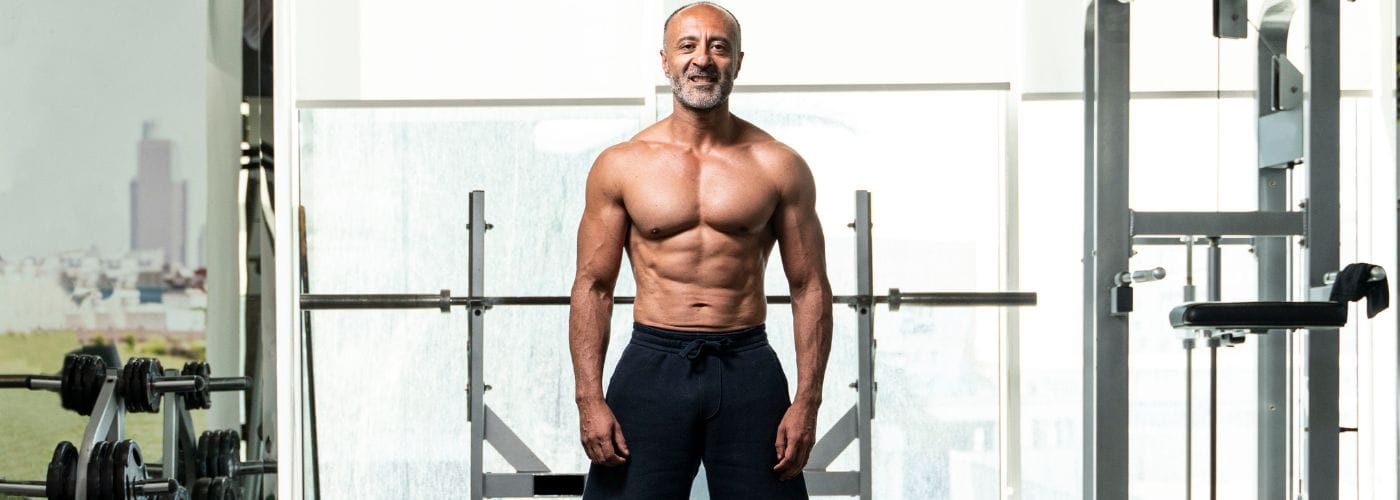
Ever wonder why some people seem to age gracefully while others struggle with health issues? The answer often lies in muscle. Muscle for longevity is a concept that highlights the profound impact of strength on our health over time.
In this piece, we’ll dive into the benefits of building muscle and share strategies for making strength training a part of your daily life. Get ready to learn how to boost your vitality and longevity!
Why Muscle Matters for Longevity
More Than Just Strength: The Multisystem Benefits of Muscle
Muscle is not just a movement engine; it is an active, intelligent tissue. It helps regulate blood sugar, energy use, hormones, and immune function. Studies show that people with more muscle have a significantly lower risk of death from all causes. Every ten percent increase in skeletal muscle index can reduce mortality risk in older adults by almost a third.
Healthy muscle gives your body strength, but they also give your system better control, balance, and resilience.
Muscle tissue plays a key role in metabolic health. When you move and train, your muscles pull glucose from your bloodstream, which improves insulin sensitivity and helps prevent type 2 diabetes. More muscle also raises your resting metabolic rate, so your body burns more energy even when you sit or sleep.
This supports healthier body composition and can improve blood lipids over time. Strong muscle helps your body use food as fuel instead of storing it as extra weight.
Muscle also functions as an endocrine organ through the release of myokines. These small protein messengers are released when muscles contract and then travel through the bloodstream. They communicate with the brain, liver, fat tissue, and bones, helping control inflammation, metabolism, and even mood. Regular strength training increases these helpful signals.
Over time, this can support sharper thinking, better energy, and lower chronic inflammation.
The Sarcopenia Epidemic: Age-Related Muscle Loss
Understanding and Combating Progressive Muscle Loss
Sarcopenia is the age-related loss of muscle mass, strength, and function. It usually begins quietly around age thirty and speeds up after age fifty. Without strength training and enough protein, adults can lose three to eight percent of muscle each decade. Strength often falls even faster, which affects daily tasks and increases fall risk.

Sarcopenia is common, but it is not inevitable, and you can slow or reverse much of it.
In the early stage, between thirty and fifty, the changes seem subtle. Fast-twitch fibers begin to shrink, and your muscles respond less strongly to normal protein intake.
You might feel slightly weaker, even if your scale weight stays the same. This is the ideal time to start or deepen a strength training routine and build protective habits.
In the middle stage, roughly from fifty to seventy, muscle loss usually accelerates. Adults can lose one to two percent of muscle mass each year if they stay inactive. Climbing stairs, getting off the floor, or carrying heavy bags can feel much harder. Recovery after illness or surgery also becomes slower.
Regular resistance training during these decades can mean the difference between dependence and continued freedom.
The Four Pillars of Muscle Building
The Essential Components for Building Longevity Muscle
Building muscle for longevity requires more than occasional workouts. You need a complete plan that covers training, nutrition, hormones, and recovery. Each pillar supports the others, and weakness in one area can limit your progress. When these pieces line up, you give your body a strong base for lifelong strength.
A balanced approach turns muscle building into a sustainable lifestyle rather than a short-term project.
Progressive Resistance Training
Resistance training is the base of any effective longevity muscle plan. It can involve free weights, machines, bands, or even controlled body weight movements. Focus on compound exercises like squats, hinges, presses, pulls, and loaded carries that train several muscles together. Aim for at least two to four strength sessions each week, covering all major muscle groups.
Without progressive strength work, you cannot build or maintain enough muscle to truly support healthy aging. Progress comes from gradually increasing the challenge, not from one perfect workout. You can add weight, change tempo, add sets, or select harder variations over time.
Good technique protects joints and ensures the right muscles do the work. Resistance training also improves insulin sensitivity, bone density, and even brain function, making it a highly valuable habit.
Optimal Protein Intake
Muscle cannot grow without enough high-quality protein. As you age, your body needs more protein to trigger the same growth response. Many experts recommend about one point six to two point two grams of protein per kilogram of body weight each day.

It is best to spread that protein evenly across meals instead of saving most for dinner. Older adults often need around thirty to forty grams of quality protein at each main meal for best results.
Include protein at breakfast to end the overnight fast and start muscle repair early. Eat another satisfying protein serving at lunch to maintain amino acid availability. After training, a protein-rich meal or shake helps recovery and growth.
Evening and pre-sleep protein can support overnight repair and reduce muscle breakdown. Lean meats, eggs, dairy, fish, soy, and legumes are all helpful options.
Hormonal Optimization
Hormones shape the environment in which your muscles either grow or break down. With age, hormones like testosterone, growth hormone, and IGF-1 typically decline. Thyroid activity may slow, and insulin resistance often increases. Together, these changes create a more catabolic state that encourages muscle loss.
Supporting hormonal health through lifestyle and medical guidance can greatly strengthen your ability to build and preserve muscle. Strength training itself boosts natural testosterone, growth hormone, and IGF-1 pulses. Quality sleep also supports hormone balance and tissue repair.
Nutrient-dense foods that provide zinc, vitamin D, magnesium, and healthy fats help hormone production. In some cases, supervised hormone therapy may be appropriate, but it should always involve careful testing and medical oversight.
Recovery & Lifestyle Factors
Muscle growth happens during recovery, not during the final repetition. That makes rest, sleep, and stress management essential parts of your plan. Aim for seven to nine hours of quality sleep most nights when possible. Create relaxing evening routines that help your nervous system wind down.
Without solid recovery, even the best training and nutrition plan cannot deliver full strength and muscle gains.
Stay hydrated, because muscles are mostly water and need fluids to function well. Eat a variety of whole foods to supply vitamins and minerals needed for muscle and nerve health.
On lighter days, use gentle movement, stretching, or walking to promote blood flow without overloading your system. Avoid long, repeated periods of total inactivity, since they can quickly reduce strength and muscle quality.
Hormonal Optimization for Muscle Preservation
Hormones regulate how your muscles use protein, store energy, and recover from stress. Testosterone supports muscle protein synthesis, increases satellite cell activity, and strengthens bones.
Growth hormone and IGF-1 help repair tissues, improve collagen, and influence body composition. Thyroid hormones direct metabolic rate and energy availability for training and daily life. Protecting muscle over the years means taking care of the hormones that keep your tissues in a building state.
Insulin sensitivity determines how well your muscles take up glucose after you eat. Better sensitivity means more nutrients reach muscle cells instead of being stored as excess fat. Regular strength and aerobic exercise both improve this sensitivity. Good sleep, stress control, and nutrients like magnesium and chromium support this process further.
You cannot fully stop age-related hormonal changes, but you can limit their impact. Strength training, protein-rich meals, sleep, and stress management all move hormones toward a healthier pattern.
When needed, discuss testing and treatment options with a qualified healthcare professional. A combined approach can help keep your muscles strong and responsive even as you age.
Dispelling the “Bulky” Myth: Functional vs. Aesthetic Muscle
Building Strength Without Unwanted Size
Many people, especially women, avoid lifting because they fear becoming bulky. In reality, extreme muscle size requires specific genetics, very focused training, and aggressive eating. Most people simply do not produce enough testosterone or follow intense enough programs to reach that level. Women, in particular, have far lower testosterone levels than men.
Normal strength training for health builds firm, functional muscle, not oversized, unwanted bulk.
Strength-focused programs often use heavier loads, lower repetition ranges, and longer rest periods. This style builds neuromuscular efficiency and dense, strong muscle rather than huge volume. Full range movements improve joint health, posture, and everyday movement quality. When calorie intake stays at maintenance or only slightly above, muscle gains remain modest and lean.
Longevity muscle usually appears as toned, defined tissue with better posture and fluid motion. Daily tasks like lifting luggage, carrying children, or climbing hills become easier and safer. Body fat often decreases while your natural shape remains.
The true goal is a body that moves well, feels strong, and supports your life, not a stage physique.
Putting It All Together: Your Longevity Muscle Plan
Start by assessing your current strength, mobility, and stamina. Notice how easily you rise from chairs, climb stairs, and carry loads. Simple tests like grip strength or repeated sit-to-stand movements can give helpful information. Set clear, realistic goals around function, such as easier hiking, better balance, or more confidence with daily tasks.
Meaningful goals help you stay motivated and consistent when progress feels slow or life becomes busy.
Build a progressive strength program that fits your schedule and experience level. Aim for two to four resistance sessions each week that train your whole body. Include pushes, pulls, squats, hinges, and core work, using weights you can control with good form. Combine this with regular walking or low-impact cardio to support your heart and metabolism.
Match your nutrition to your training and overall goals. Ensure enough total protein and calories to support muscle repair. Choose whole food carbohydrates and healthy fats to fuel your workouts and daily life.
Adjust your intake if you want to lose fat, maintain weight, or slowly gain muscle. Remember that very low-calorie diets can make muscle building much harder.
Consider your age and current decade when shaping your plan. In your thirties and forties, prioritize building a strong base and preventing early muscle loss. In your fifties and sixties, focus on fighting anabolic resistance with smart training and higher protein.
Every decade offers a fresh chance to invest in your future self through stronger, more capable muscles.
Important Health Information
The information in this article is for education only and does not replace personal medical advice. Always consult a qualified healthcare professional before beginning any new exercise or nutrition program.
Individual needs can vary based on age, medical history, medications, genetics, and current fitness level. Progress will differ from person to person, and programs should be adjusted based on response and changing health.
If you experience chest pain, severe shortness of breath, dizziness, or unusual symptoms during exercise, stop immediately. Seek prompt medical care and guidance before returning to activity. Work with your healthcare team to monitor blood pressure, blood sugar, bone health, and other key markers.
With informed support and steady effort, building muscle can become a safe, powerful path toward a longer, healthier life.