
Have you ever wondered why some people seem to maintain youthful skin, faster recovery, and overall vitality as they age? The answer may lie in a naturally occurring molecule that plays a critical role in cellular repair and regeneration.
GHK-CU peptide therapy represents a powerful approach to supporting the body’s natural ability to repair, regenerate, and maintain youthful function at the cellular level. As research continues to expand, this peptide is becoming an important part of modern age management strategies.
The Age-Diminishing Peptide
Aging is often associated with declining hormone levels, reduced recovery, and visible changes in skin and tissue quality. While hormone optimization has become widely recognized, another important factor is the decline of specific regenerative peptides in the body.
GHK-CU levels naturally decrease with age, contributing to slower healing, reduced collagen production, and diminished cellular function. Understanding this decline helps explain why recovery and tissue integrity change over time.
Supporting these pathways offers a way to address aging at a deeper biological level.
What is GHK-CU?
GHK-CU is a naturally occurring copper-binding peptide composed of three amino acids. It is found in various bodily fluids and plays a role in cellular communication and tissue repair.
This peptide acts as a signaling molecule that helps regulate multiple biological processes, including wound healing, inflammation control, and gene expression. Its ability to influence a wide range of cellular functions makes it unique among regenerative compounds.
It also helps transport copper, an essential mineral required for many enzymatic reactions within the body.
The Age-Related Decline of GHK-CU
As the body ages, levels of GHK-CU decrease significantly. This reduction is linked to many of the physical and functional changes commonly associated with aging.
Lower levels of GHK-CU contribute to slower tissue repair, decreased collagen production, and reduced antioxidant protection. These changes can affect skin elasticity, recovery from injury, and overall cellular resilience.
The decline also impacts the body’s ability to regulate inflammation and maintain balanced cellular activity.
Comprehensive Benefits of GHK-CU
GHK-CU has been shown to influence a wide range of biological systems, making it a versatile component of regenerative therapy.
Its benefits extend to cellular repair, anti-inflammatory effects, antioxidant protection, and improved tissue regeneration. It supports collagen and elastin production, which are essential for maintaining skin structure and strength.

In addition to cosmetic benefits, it may also contribute to improved healing, better tissue integrity, and enhanced overall function across multiple organ systems.
GHK-CU and Hormone Optimization
Hormone optimization focuses on restoring balance to key hormones that decline with age. While this approach addresses important aspects of aging, it does not directly target cellular repair mechanisms.
GHK-CU peptide therapy complements hormone optimization by supporting tissue repair, cellular signaling, and structural integrity. Together, these approaches provide a more comprehensive strategy for maintaining vitality.
By combining hormonal balance with regenerative support, individuals may experience improvements in both function and recovery.
Administration and Protocol
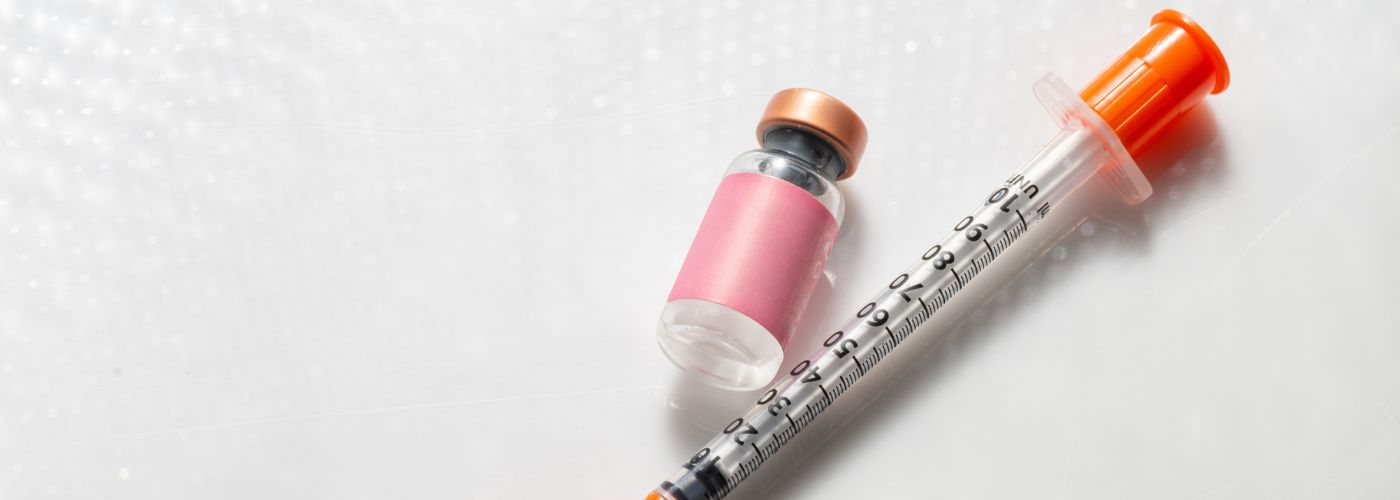
GHK-CU can be administered through different methods depending on the desired outcome. Subcutaneous injections are commonly used for systemic benefits, while topical applications may target localized skin concerns.
Consistent use of GHK-CU therapy allows the body to maintain elevated levels of this peptide, supporting ongoing repair and regeneration. Treatment protocols are typically individualized based on health goals and clinical guidance.
Proper administration and monitoring ensure optimal results while maintaining safety.
Conclusion: A Foundation for Longevity
Age management is evolving beyond surface-level treatments toward approaches that address the underlying biology of aging. Cellular repair, inflammation control, and tissue regeneration all play a role in long-term health.
GHK-CU peptide therapy offers a foundational strategy for supporting these processes and maintaining vitality over time. Working at the cellular level helps restore the body’s ability to repair itself and function efficiently.
As part of a comprehensive wellness plan, this approach can contribute to improved resilience, recovery, and overall quality of life.