
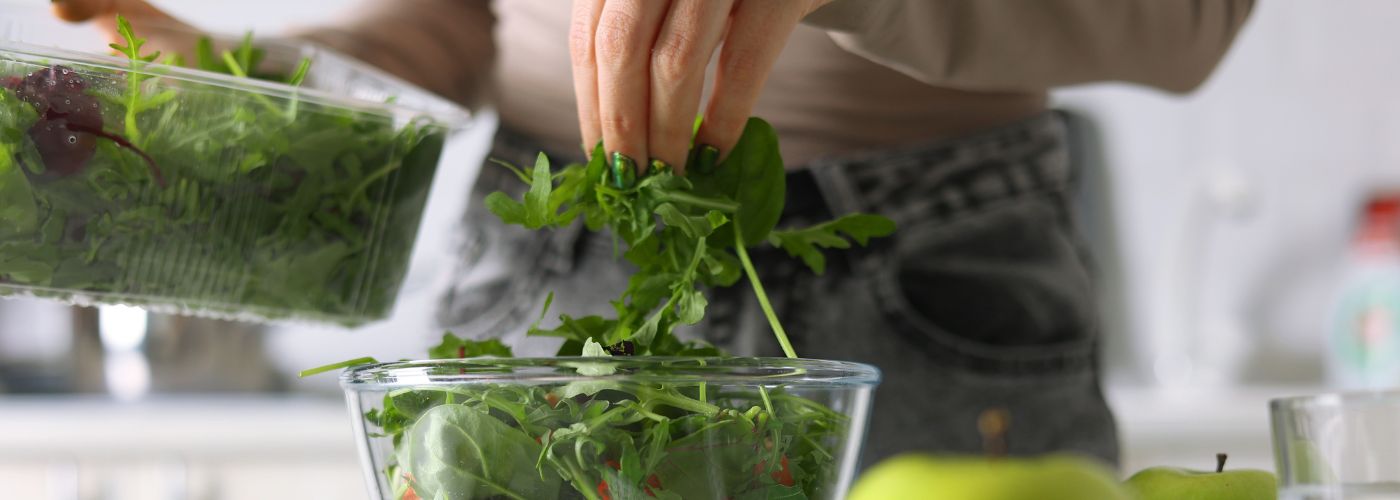
The rise of GLP-1 medications has shaken the food industry in ways no one expected, and the impact is so large that companies now face pressure to rethink how they operate and what they sell. These drugs suppress appetite, change eating habits, and shift consumer behavior, creating disruption at a speed the industry has never seen.
This article breaks down why these medications matter, how they change eating patterns, and what food companies must do to adapt.
The GLP-1 Revolution: How Weight Loss Medications Are Forcing Food Companies to Adapt
GLP-1 medications like Ozempic, Wegovy, and Mounjaro have disrupted multiple industries, but their impact on food companies is especially intense because these drugs directly reduce appetite and shrink the demand for many packaged foods, snacks, and restaurant items.
More than nine million Americans already use these medications, and the number could reach thirty million by 2030.
This rapid adoption has pushed food companies to build new strategies, create new products, and rethink long-held assumptions about consumer behavior.

Previous diet trends faded quickly, but this shift is different because the medications target the brain’s hunger centers and create long-lasting changes in eating habits.
That means the industry is facing permanent disruption, not a passing trend.
Why This Time Is Different
The food industry has survived many diet waves, yet none have reshaped consumer behavior like GLP-1 medications. These treatments reduce cravings, lower the desire for high-calorie foods, and change the emotional relationship people have with eating.
Many users describe a “quiet brain” effect, where food stops occupying mental space, and this mental shift poses a deeper threat to food companies than any previous diet movement.
People snack less, choose smaller meals, and focus more on protein and nutrient-rich items. That means companies built on selling large portions or indulgent snacks must completely rethink their business model in order to survive.
How GLP-1 Medications Change Eating Behavior
GLP-1 drugs change the way the brain and body respond to food by reducing physical hunger, lowering cravings, and altering how people experience fullness. The medications slow digestion and increase satiety, so many users eat smaller meals and finish less food overall.
At the same time, the brain’s reward response to sugary or high-fat items becomes weaker, which leads to reduced interest in traditional snacks. These combined effects shift food choices toward protein and simple meals that feel easier to digest.
This new pattern decreases snack frequency, lowers fast food spending, and reduces interest in high-calorie beverages, creating pressure on every category tied to impulse or habitual eating.
The Financial Impact on Food Companies
The financial fallout has already begun, because sales data now shows that GLP-1 users buy fewer snacks, skip desserts, and avoid high-calorie beverages.
Major companies have reported declines linked directly to these medications, and investors now see GLP-1 usage as one of the largest long-term risks to food sales.
Snack makers face shrinking demand, restaurant chains must adjust portion sizes, and beverage companies are pivoting toward zero-calorie options to keep customers.
Stock prices have reacted quickly, showing that the market recognizes how disruptive these drugs will become as adoption rises.
Industry Response: The “GLP-1 Resistant” Snack
Food companies are now racing to develop products that still appeal to people whose appetites have changed. Some brands are exploring richer flavors, new textures, and smaller premium portions to maintain interest.
Others are experimenting with protein-enhanced items, since GLP-1 users tend to crave protein more than carbs or sugar.
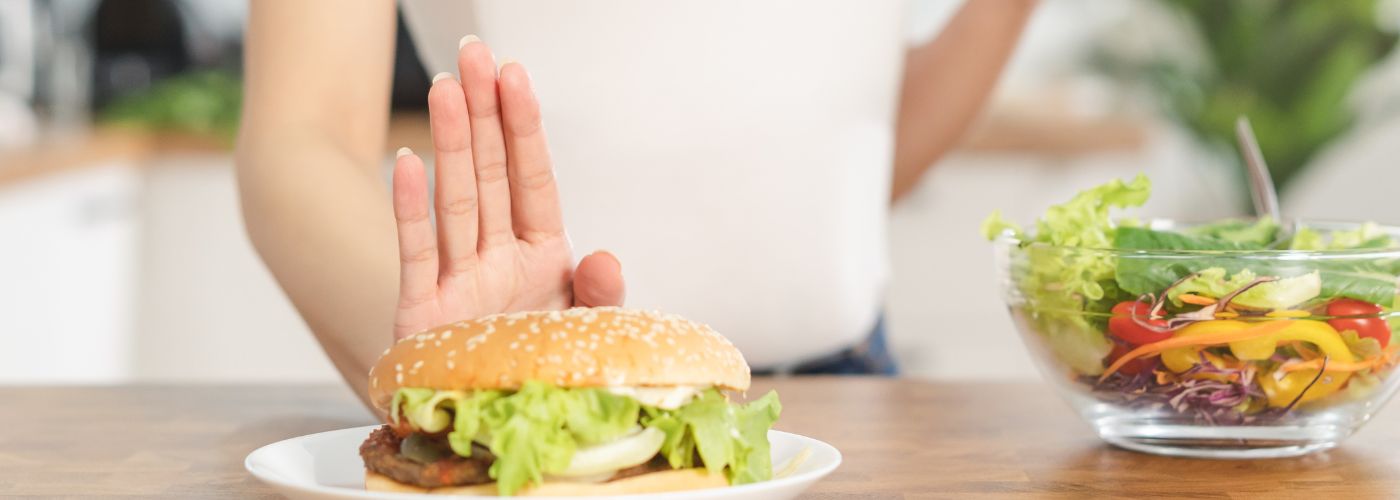
The goal is to build foods that satisfy people even when their appetite is reduced, allowing companies to survive in a market where consumers eat far less than before.
This shift marks one of the fastest research pivots the food industry has ever attempted.
The Science of GLP-1 Resistant Food Formulation
Developing foods that appeal to GLP-1 users requires a new understanding of digestion, reward pathways, and appetite signals. Companies are exploring flavor compounds that create enjoyment in smaller bites, textures that enhance satisfaction, and formulas that digest more quickly for people with slower stomach movement.
Protein remains central because it triggers appetite differently from fats or carbs. Food scientists are now blending nutrition science with psychology to build products that maintain consumer interest even when hunger is low, marking a major evolution in food development strategy.
Changing Consumer Preferences and Eating Patterns
Consumers on GLP-1 drugs are not just eating less; they are choosing different foods. They prefer smaller portions, single-serve packages, and higher-quality ingredients.
They value protein content more than calorie counts and want foods that feel nutritious rather than indulgent. Many users now eat with a “food as fuel” mentality, which reduces emotional snacking and impulse purchases.
This behavior shift erodes the business models of brands that rely on large packages or habitual eating, while opening the door for new brands that focus on portion control and nutrient density.
Ethical Considerations and Public Health Implications
The rise of “GLP-1 resistant” foods raises questions about how far companies should go in trying to bypass medication effects.
Some critics worry that designing foods to overpower appetite control undermines public health progress. Others argue that people deserve choices even when taking weight-loss medication.
Companies must balance these concerns while still responding to shifting market needs, and the debate over ethical responsibility will intensify as more resistant foods reach the market.
Regulation may also expand to guide how companies market or label these new products.
Future Outlook: The New Food Landscape
The food industry will continue evolving as GLP-1 adoption grows. In the short term, companies will diversify their portfolios, shrink portion sizes, and invest in premium offerings.
In the long term, entire categories may shrink, and new ones will emerge based on personalized nutrition and medication-aligned eating.
Only companies that innovate quickly will survive, because the shift in consumer behavior is too deep and too permanent to ignore.
The future belongs to brands that support healthier eating while still delivering satisfaction in smaller quantities.
Important Health Information
The information in this article is for education only and does not replace personal medical advice. Always consult a qualified healthcare professional before beginning any new exercise or nutrition program.
Individual needs can vary based on age, medical history, medications, genetics, and current fitness level. Progress will differ from person to person, and programs should be adjusted based on response and changing health.
If you experience chest pain, severe shortness of breath, dizziness, or unusual symptoms during exercise, stop immediately. Seek prompt medical care and guidance before returning to activity. Work with your healthcare team to monitor blood pressure, blood sugar, bone health, and other key markers.
With informed support and steady effort, building muscle can become a safe, powerful path toward a longer, healthier life.