

Have you been told that fertility challenges automatically require suppressive hormone therapy or invasive interventions? Gonadorelin therapy offers a physiology-based approach that works by restoring natural hormonal signaling rather than bypassing it.
By stimulating the body’s own hypothalamic-pituitary-gonadal (HPG) axis, this treatment supports hormone balance and reproductive function at its source.
Purpose and Clinical Rationale
Infertility and hypogonadism often stem from disrupted signaling between the brain and the gonads. When the hypothalamus does not properly release gonadotropin-releasing hormone (GnRH), downstream hormones such as luteinizing hormone (LH) and follicle-stimulating hormone (FSH) decline.
Gonadorelin therapy is designed to restore this signaling cascade and reactivate endogenous hormone production. Instead of replacing hormones directly, it encourages the body to resume natural regulation.
Mechanism of Action & Physiology
Gonadorelin is a synthetic version of GnRH, the hormone naturally released by the hypothalamus in pulsatile bursts. These pulses stimulate the anterior pituitary to release LH and FSH.
When administered appropriately, gonadorelin therapy mimics natural pulsatile signaling to stimulate testosterone, estrogen, and gamete production.
The therapy relies on maintaining physiological rhythm, as continuous exposure can blunt receptor sensitivity.
Therapeutic Benefits & Indications
In clinical practice, gonadorelin is used to support both male and female reproductive health. Its applications range from hypogonadotropic hypogonadism to fertility preservation during testosterone therapy.

For patients seeking fertility support, gonadorelin therapy promotes both LH and FSH release, making it especially valuable for spermatogenesis and follicular development.
This dual stimulation differentiates it from treatments that only mimic LH activity.
Gonadorelin vs. HCG Comparison
Human Chorionic Gonadotropin (HCG) directly stimulates LH receptors in the gonads, bypassing the pituitary. While effective for testosterone production, it does not stimulate FSH in the same physiological pattern.
Unlike HCG, gonadorelin therapy works through the pituitary, preserving the natural feedback loops of the HPG axis.
This makes it a compelling alternative for patients aiming to maintain long-term fertility potential and hormonal balance.
Dosing & Administration Protocol
Successful treatment depends on proper administration. Pulsatile or intermittent dosing is essential to avoid receptor desensitization.
When used for axis support, gonadorelin therapy is typically administered subcutaneously multiple times per week under clinical supervision.
Precise dosing and monitoring ensure continued pituitary responsiveness and optimal reproductive signaling.
Fertility Applications: Male & Female
In men, gonadorelin stimulates LH for testosterone production and FSH for spermatogenesis. In women, it supports follicular maturation and ovulation when hypothalamic dysfunction is present.
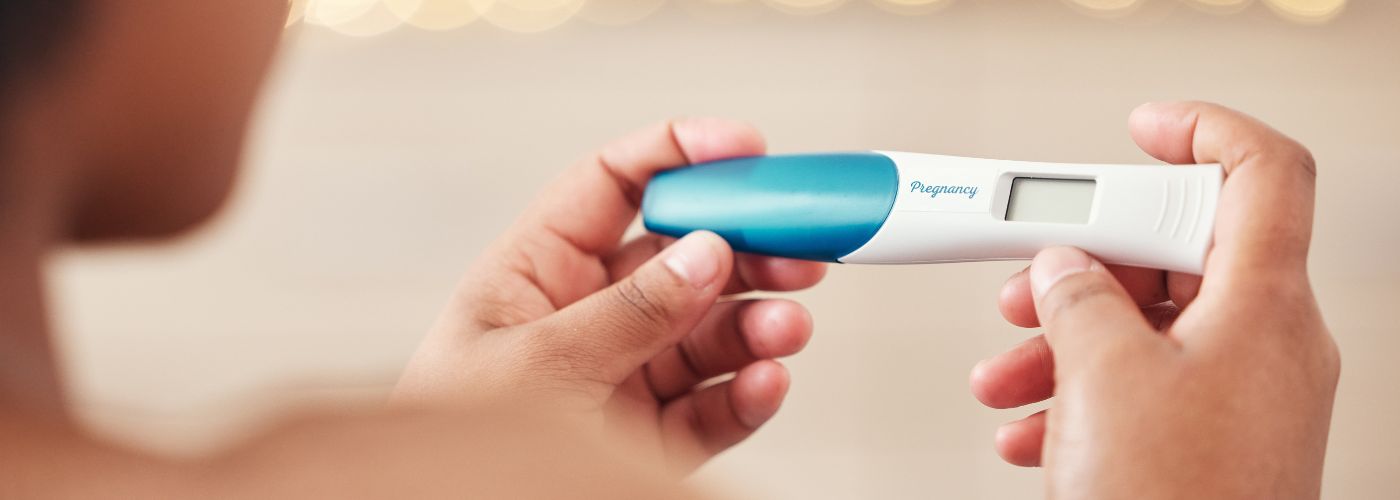
Because gonadorelin therapy activates both arms of reproductive hormone signaling, it provides comprehensive fertility support rather than isolated hormone replacement.
This makes it particularly useful in cases where preserving natural function is a priority.
Clinical Monitoring Guidelines
Ongoing monitoring ensures safety and effectiveness. Hormone panels, semen analysis, ovulation tracking, and symptom assessment are typically incorporated into care plans.
Careful laboratory and clinical evaluation during gonadorelin therapy allows providers to adjust dosing while preserving pituitary sensitivity.
Monitoring also confirms that LH and FSH responses remain robust over time.
Provider Considerations and Responsible Use
Gonadorelin requires a functional pituitary gland to be effective, making patient selection critical. It is not appropriate in cases of pituitary failure.
Appropriate candidate evaluation and individualized protocol design are essential for successful gonadorelin therapy outcomes.
Treatment decisions should always align with fertility goals, hormonal status, and overall reproductive health strategy.
Restoring Natural Fertility Signaling
Fertility support does not always require bypassing the body’s natural systems. By restoring hypothalamic and pituitary communication, gonadorelin offers a physiology-centered solution.
Through targeted stimulation of the HPG axis, gonadorelin therapy supports fertility by working with the body rather than overriding it.
When administered properly and monitored carefully, it provides a strategic and biologically aligned pathway to reproductive restoration.