
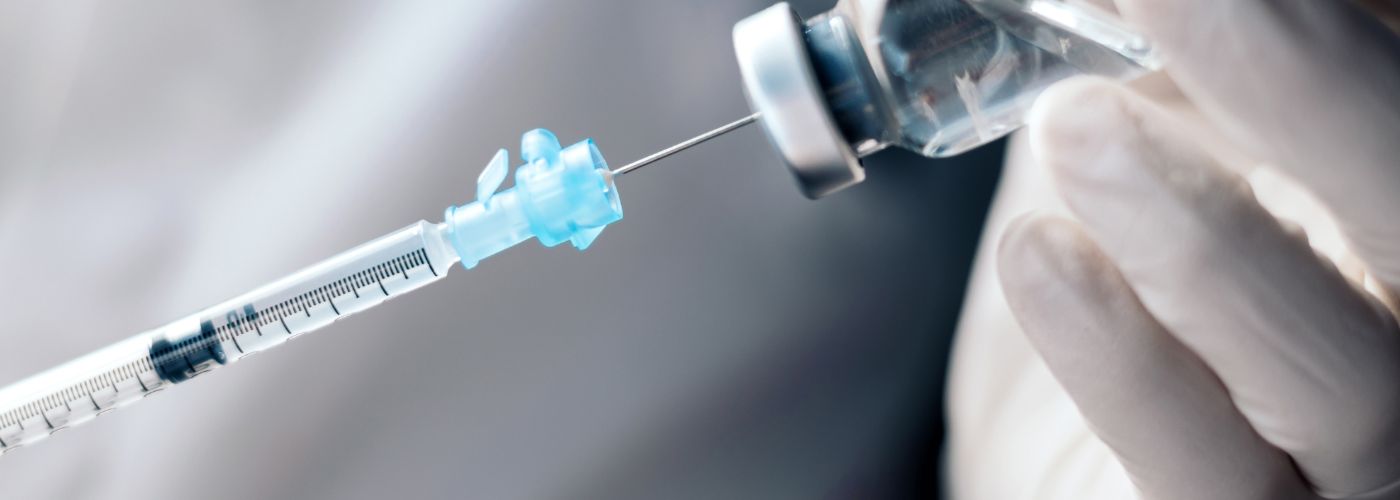
Have you ever wondered why some people see better fat loss and energy results with L-Carnitine than others? The difference often comes down to how the compound is delivered and how much of it your body can actually use.
The choice between injectable and oral L-Carnitine significantly impacts how effectively it supports fat metabolism, energy production, and recovery. Understanding these differences can help you choose the most efficient approach for your goals.
The L-Carnitine Advantage
L-Carnitine is a naturally occurring compound that plays a central role in energy production. It helps transport fatty acids into the mitochondria, where they are converted into usable fuel.
While the body produces L-Carnitine on its own, supplementation is often used to enhance fat metabolism, improve endurance, and support recovery. However, not all forms of supplementation provide the same level of effectiveness.
The method of delivery determines how much L-Carnitine actually reaches your tissues and contributes to metabolic processes.
Mechanism of Action: Fat Transport
The primary function of L-Carnitine is to move long-chain fatty acids into the mitochondria. Once inside, these fats are broken down through a process that generates ATP, the body’s main energy source.

Without sufficient L-Carnitine, the body’s ability to utilize fat for energy becomes less efficient, which can impact both performance and metabolic health. This makes it an important factor in both fat loss and endurance.
It also helps remove metabolic byproducts that can interfere with cellular function.
Bioavailability Showdown: Injectable vs Oral
One of the most important differences between injectable and oral L-Carnitine is how much of the compound is absorbed and used by the body.
Injectable L-Carnitine delivers a significantly higher percentage of the active compound directly into circulation, while oral forms lose a large portion during digestion. This means oral supplementation often requires much higher doses to achieve similar effects.
Absorption from oral forms can also vary based on digestion and individual gut health.
Injectable L-Carnitine Benefits
Injectable L-Carnitine is designed to bypass the digestive system entirely, allowing for more direct and efficient delivery into the bloodstream.
This method provides more consistent absorption, allowing lower doses to produce stronger and more predictable effects. It is often used in structured protocols where precision and reliability are important.
Users may experience improved fat utilization, better endurance, and faster recovery when compared to oral supplementation.
Oral L-Carnitine Benefits & Limitations
Oral L-Carnitine remains a popular option due to its simplicity and accessibility. It does not require injections and can easily be incorporated into daily routines.

However, oral forms are limited by reduced absorption and the need for higher doses, which may lead to inconsistent results. Some individuals may also experience digestive discomfort at higher intake levels.
Despite these limitations, it can still provide mild support for general wellness.
Dosing Frequency & Protocols
Dosing strategies differ depending on the form of L-Carnitine being used. Injectable protocols typically use smaller amounts due to higher absorption efficiency.
Oral supplementation often requires significantly larger daily doses to reach comparable levels in the body. Timing can also play a role, particularly when used around exercise or periods of increased energy demand.
Consistency is key, as benefits tend to build over time with regular use.
Clinical Applications & Synergy
L-Carnitine is commonly used in protocols focused on fat loss, metabolic health, and performance optimization. It can also be combined with other compounds that support energy production or fat metabolism.
When used alongside complementary therapies, L-Carnitine can enhance overall metabolic efficiency and improve results across multiple systems. This makes it a valuable addition to broader wellness strategies.
Its role in mitochondrial function also contributes to improved cellular energy output.
Head-to-Head Comparison
Comparing injectable and oral L-Carnitine highlights clear differences in effectiveness, convenience, and dosing requirements.
Injectable forms provide higher bioavailability and more consistent results, while oral forms offer convenience but reduced efficiency. Each option serves a different purpose depending on individual preferences and goals.
Understanding these trade-offs helps guide better decision-making.
Choosing the Right Route for Your Goals
Selecting the right form of L-Carnitine depends on what you are trying to achieve. Some individuals prioritize convenience, while others focus on maximizing results.
For those seeking stronger metabolic support and more reliable outcomes, injectable L-Carnitine is often the preferred option. Others may find oral supplementation sufficient for basic support.
Ultimately, the best approach is one that aligns with your goals, consistency, and overall health strategy.