
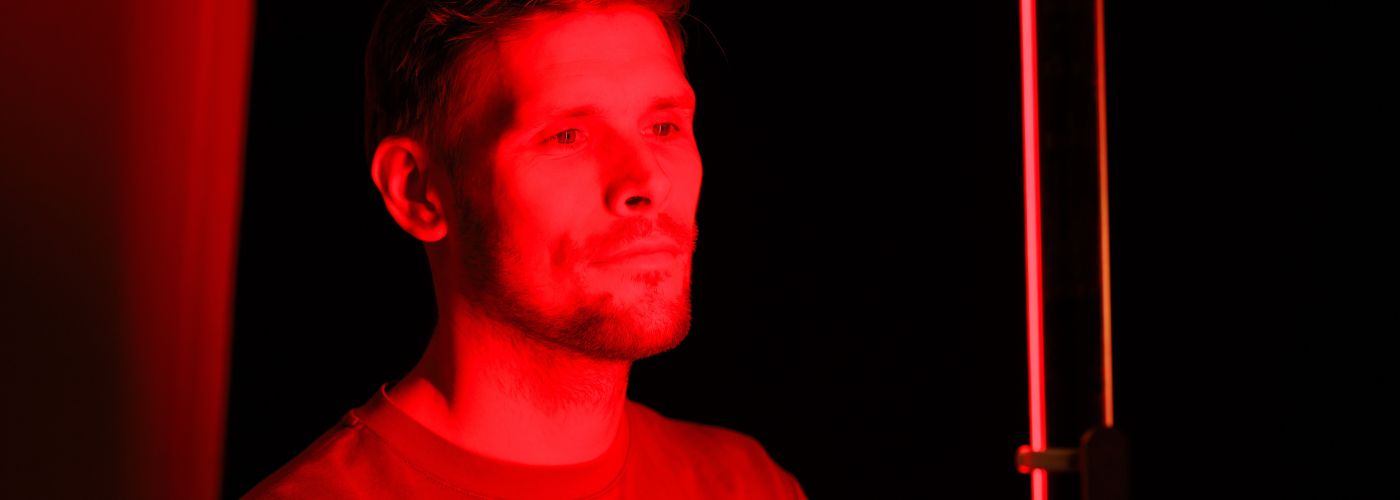
Have you ever wished for a faster way to heal and recover from injuries? This light-based therapy may be the solution you’ve been searching for. With its promise of quicker recovery and enhanced well-being, it’s no wonder this treatment is becoming a new standard in health circles.
Join us as we delve into the science behind this innovative approach and the incredible benefits it offers.
Introduction to Red Light Therapy
Also known as photobiomodulation, this non-invasive technology is designed to support cellular repair and regeneration. It uses specific wavelengths of red and near-infrared light that penetrate the skin and interact with cells at a biological level.
Unlike ultraviolet light, these wavelengths do not damage tissue. Instead, they support healing, reduce inflammation, and enhance overall cellular performance. This makes the therapy suitable for a wide range of wellness and recovery goals.
What is Red Light Therapy?
This therapy works by exposing the body to controlled wavelengths of red and near-infrared light. These wavelengths are absorbed by mitochondria, the energy-producing structures inside cells.

When mitochondria absorb this light, energy production increases. This rise in cellular energy allows tissues to repair more efficiently and function at a higher level. Both surface tissues and deeper structures can benefit depending on the wavelength used.
Types of Red Light Therapy
Different delivery methods are used depending on the treatment goal. Some approaches focus on full-body exposure, while others target specific areas of concern.
This flexibility allows the therapy to be used for general wellness, recovery, cosmetic care, and localized pain relief. Each treatment type is designed to deliver light efficiently to the tissues that need it most.
Full-Body Red Light Therapy
Full-body sessions expose the entire body to therapeutic light at once. This approach supports systemic benefits such as reduced inflammation, improved energy levels, and overall recovery.
Because multiple tissues are treated simultaneously, this method is often used for wellness optimization. It is especially popular among athletes and individuals dealing with widespread fatigue or inflammation.
Targeted Red Light Therapy
Targeted sessions focus on specific areas of the body. Handheld devices or smaller panels are used to deliver light to joints, muscles, or injured tissues.
This approach allows for precision treatment. It is commonly used for pain relief, injury recovery, and localized inflammation. The ability to focus on one area makes it practical for spot treatment needs.
Facial Red Light Therapy
Facial applications are designed specifically to support skin health and appearance. The wavelengths used stimulate collagen production and reduce inflammation in facial tissues.
Over time, skin tone, texture, and elasticity may improve. This method is often chosen by individuals seeking non-invasive cosmetic support without downtime.
Red Light Therapy for Hair Growth
This technology can also be applied to the scalp to support hair health. Light exposure helps improve circulation around hair follicles and reduces scalp inflammation.

This environment supports healthier hair growth cycles. Many people explore this option as a non-pharmaceutical approach to hair thinning and hair loss.
Comprehensive Benefits of Red Light Therapy
Benefits extend across multiple body systems. Increased cellular energy supports faster tissue repair, reduced inflammation, and improved circulation.
People often report improvements in skin quality, pain levels, and recovery time. These effects reflect the therapy’s ability to enhance how cells function rather than masking symptoms.
The underlying science centers on mitochondrial stimulation. Light energy activates key enzymes involved in energy production, increasing ATP availability inside cells.
With more energy available, cells repair damage more efficiently. This process also reduces oxidative stress and supports healthy gene expression. The result is improved tissue performance and resilience.
Who Can Benefit from Red Light Therapy?
A wide range of individuals can benefit from this therapy. People seeking improved skin health, reduced pain, faster recovery, or general wellness often see positive results.
It is also commonly used by athletes and those recovering from injury. Because it is non-invasive and well-tolerated, it can be incorporated into many health routines.
Treatment Protocols & Guidelines
Consistency is essential for achieving results. Treatments are typically performed multiple times per week over several weeks.
Session length and frequency vary depending on the goal. Following proper guidelines ensures safe use and maximizes benefits over time. Patience is important, as cellular changes occur gradually.
This therapy offers a versatile and science-backed approach to wellness and recovery. By supporting cellular energy and repair, it addresses the root processes behind healing and performance.
Whether used for skin health, pain relief, athletic recovery, or general vitality, this approach provides a non-invasive option. Its ability to work with the body’s natural biology makes it a valuable tool in modern wellness strategies.