

Have you ever wondered how somatropin therapy is structured for safe and effective clinical use? Somatropin, commonly known by the brand name Omnitrope, is a recombinant human growth hormone therapy that requires careful dosing, reconstitution, monitoring, and provider oversight.
Somatropin (Omnitrope) therapy should follow a standardized clinical protocol that supports patient safety, accurate administration, consistent monitoring, and optimized therapeutic outcomes.
Purpose and Scope
This protocol establishes a standardized, safe, and effective framework for the initiation and management of somatropin (Omnitrope) therapy.
The guidance ensures consistent clinical practice while maintaining the highest standards of patient safety and therapeutic efficacy.
Protocol Objectives
Primary Goals:
- Standardize somatropin therapy initiation and management
- Ensure patient safety through appropriate dosing and monitoring
- Provide clear guidance for medication reconstitution and administration
- Establish consistent clinical monitoring parameters
- Optimize therapeutic outcomes while minimizing adverse effects
Medication Overview
Somatropin (Omnitrope) Specifications
| Specification | Details |
|---|---|
| Generic Name | Somatropin (rDNA origin) Recombinant human growth hormone identical to endogenous growth hormone |
| Brand Name | Omnitrope FDA-approved recombinant human growth hormone |
| Supplied Form | 5.8 mg (approximately 17 IU) Lyophilized powder in single-use vial |
| Clinic Cost | Per vial cost Direct medication cost to clinic |
Medication Characteristics
| Parameter | Specification | Clinical Significance |
|---|---|---|
| Molecular Structure | 191 amino acid sequence | Identical to endogenous human growth hormone |
| Production Method | rDNA technology using E. coli | Limits risk of Creutzfeldt-Jakob disease |
| Biological Activity | ~3.0 IU/mg | Standardized potency for consistent dosing |
| Storage (Unreconstituted) | 2°C to 8°C (refrigerated) | Maintain stability and potency |
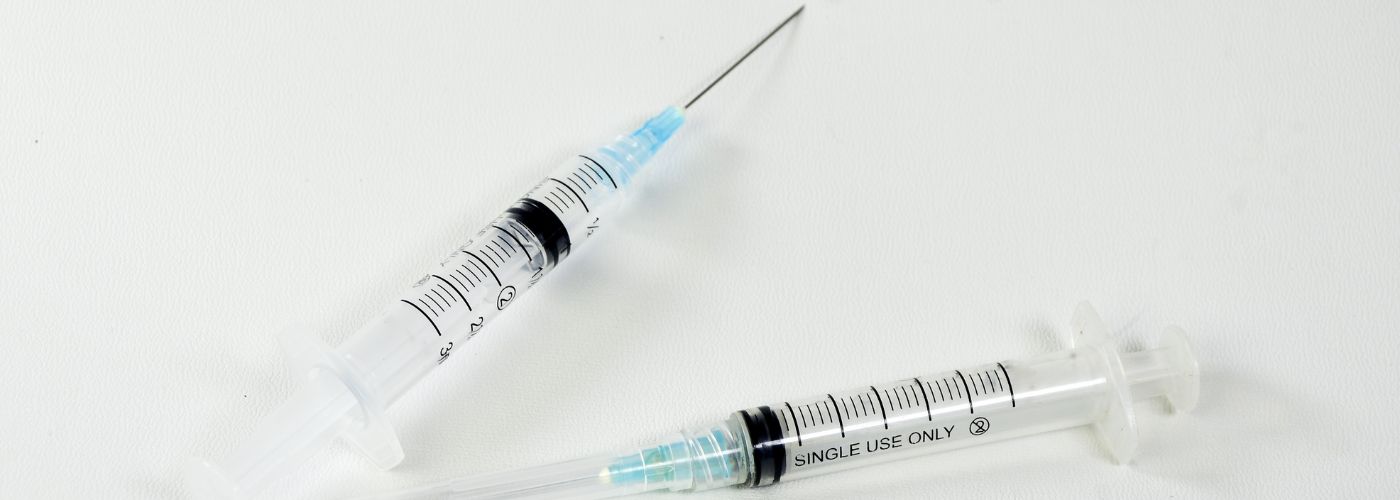
Reconstitution Protocol
Critical Preparation Guidelines
Proper reconstitution is essential for maintaining medication stability, potency, and patient safety. Follow these steps precisely for each vial.
| Step | Instructions |
|---|---|
| 1. Gather Supplies |
|
| 2. Reconstitution Process |
|
Reconstitution Specifications
| Parameter | Specification | Rationale |
|---|---|---|
| Diluent Volume | 1.14 mL Bacteriostatic Water | Yields final concentration of 5 mg/mL |
| Reconstitution Technique | Gentle swirling only | Prevents protein denaturation from agitation |
| Final Concentration | 5 mg/mL (~15 IU/mL) | Standardized for accurate dosing |
| Solution Appearance | Clear, without particles | Quality control check before administration |
Reconstituted Vial Stability: 20 days from reconstitution date when stored refrigerated at 36°F to 46°F (2°C to 8°C).
Labeling Requirements: Each reconstituted vial must be labeled with reconstitution date/time and beyond-use date.
Do Not Freeze: Freezing can damage the protein structure and reduce efficacy.
Quality Assurance Checks
- Visual inspection: Solution must be clear without cloudiness or particulate matter
- Label verification: Confirm reconstitution date and beyond-use date
- Storage validation: Ensure continuous refrigeration at 2°C to 8°C
- Documentation: Record lot number and expiration date in patient chart
Dosing & Administration
Standardized Dosing Protocol
Consistent dosing and proper administration technique are crucial for therapeutic efficacy and patient safety.
| Category | Protocol Details |
|---|---|
| Starting Dose |
|
| Administration Timing |
|
| Dose Calculation |
|
Administration Technique Guidelines
| Component | Specification | Clinical Rationale |
|---|---|---|
| Route | Subcutaneous injection | Optimal absorption and patient comfort |
| Frequency | Once daily | Mimics endogenous pulsatile secretion |
| Injection Sites | Abdomen, thighs, upper arms | Site rotation prevents lipoatrophy |
| Needle Size | 27-30 gauge, ½ inch | Optimal for subcutaneous administration |
Treatment Initiation & Titration
Structured Treatment Protocol
A systematic approach to treatment initiation and dose optimization ensures both safety and efficacy throughout the therapeutic course.
| Step | Protocol Details |
|---|---|
| 1. Initial Prescription | Standard initial prescription: two (2) vials of Omnitrope 5.8 mg. This provides minimum 30-day coverage accounting for stability limitations and potential waste. |
| 2. Initial Treatment Period | Duration: 30 days minimum with initial two-vial supply. Accounts for 20-day vial stability and ensures continuous therapy. |
| 3. Follow-up Assessment | Timing: 3-4 weeks after initiation. Assess clinical response, tolerance, and IGF-1 levels before dose adjustment. |
Titration Protocol
| Assessment Timing | Evaluation Parameters | Titration Actions | Monitoring Requirements |
|---|---|---|---|
| Baseline (Day 0) | IGF-1, clinical symptoms, comorbidities | Initiate at 0.25 mg daily | Comprehensive baseline labs |
| 3-4 Weeks | IGF-1 response, side effects, clinical improvement | Increase by 0.05 mL (0.25 mg) increments if needed | IGF-1, symptom assessment |
| 3 Months | Therapeutic goals, side effect profile | Optimize maintenance dose | Full laboratory panel |
| 6 Months & Annually | Long-term efficacy and safety | Maintain or adjust based on goals | Comprehensive metabolic monitoring |
Dose Adjustment Considerations
- For suboptimal response: Increase by 0.05 mL (0.25 mg) increments
- For side effects: Reduce dose or temporary hold based on severity
- Weight-based adjustments: Consider in extreme BMI ranges
- Age considerations: Lower doses often sufficient in older patients
- Concomitant medications: Adjust for corticosteroids, other hormone therapies
Clinical Monitoring Guidelines
Comprehensive Safety and Efficacy Monitoring
Regular monitoring ensures therapeutic efficacy while identifying potential adverse effects early in the treatment course.
| Monitoring Category | Details |
|---|---|
| Baseline Assessment |
|
| Follow-up Monitoring |
|
| Adverse Effect Monitoring |
|
Monitoring Schedule and Parameters
| Timing | Laboratory Tests | Clinical Assessment | Action Thresholds |
|---|---|---|---|
| Baseline | IGF-1, CBC, CMP, HbA1c, Thyroid panel | Comprehensive history and physical | Establish individual baseline values |
| 3-4 Weeks | IGF-1 | Side effects, clinical response | IGF-1 target: mid-upper normal range for age |
| 3 Months | IGF-1, CMP, HbA1c | Therapeutic efficacy, side effects | Adjust dose based on response and tolerance |
| 6-12 Months | Full laboratory panel | Long-term efficacy and safety | Comprehensive metabolic assessment |
Critical Monitoring Priorities:Glucose Metabolism: Monitor for development of insulin resistance, particularly in patients with pre-diabetes or metabolic syndrome.
Fluid Balance: Assess for edema, blood pressure changes, and symptoms of fluid retention.
Musculoskeletal: Evaluate for arthralgia, carpal tunnel symptoms, and joint changes.
IGF-1 Interpretation Guidelines
- Target range: Mid-upper normal range for age and gender
- Monitoring frequency: 3-4 weeks after initiation or dose changes
- Dose adjustment: Titrate to achieve target IGF-1 with minimal side effects
- Caution levels: IGF-1 >2.0 SD above mean for age requires dose reduction

Inventory & Cost Considerations
Operational and Financial Protocol
Understanding the cost structure and inventory requirements ensures smooth clinic operations and clear patient communication.
| Category | Details |
|---|---|
| Cost Structure |
|
| Inventory Management |
|
| Patient Communication |
|
Two-Vial Protocol Justification
| Consideration | Single Vial Approach | Two Vial Protocol | Advantage |
|---|---|---|---|
| Medication Stability | 20-day limit creates gap | Continuous 30+ day coverage | Uninterrupted therapy |
| Dose Flexibility | Limited adjustment ability | Buffer for dose optimization | Personalized treatment |
| Patient Education | Incomplete supply picture | Teaches proper planning | Better adherence |
| Safety Margin | No buffer for errors | Safety stock available | Risk reduction |
Financial Counseling Points for Patients
- Comprehensive pricing: Explain that billing includes medication, clinical services, monitoring, and overhead
- Supply duration: Clarify that two vials cover the initial 30+ day period
- Ongoing costs: Discuss typical monthly medication requirements after stabilization
- Value proposition: Emphasize the comprehensive care model including regular monitoring and provider oversight
Provider Disclaimer
Clinical Judgment and Individualized Care
This protocol is intended as a general guideline for qualified healthcare providers. The prescribing provider maintains ultimate responsibility for determining the appropriateness of somatropin therapy for each individual patient.
Provider Responsibilities
- Conduct comprehensive patient assessment before initiating therapy
- Adjust dosing and monitoring based on individual patient factors
- Exercise professional clinical judgment in all treatment decisions
- Consider unique patient circumstances, comorbidities, and risk factors
- Maintain appropriate documentation of clinical decision-making
Scope of Practice Considerations
Providers must practice within their scope of training, experience, and applicable state regulations.
This protocol should be adapted to align with individual practice patterns while maintaining the core safety principles outlined herein.